First-Time Dog Owner Checklist: Essentials and Care Tips | Ohai.ai
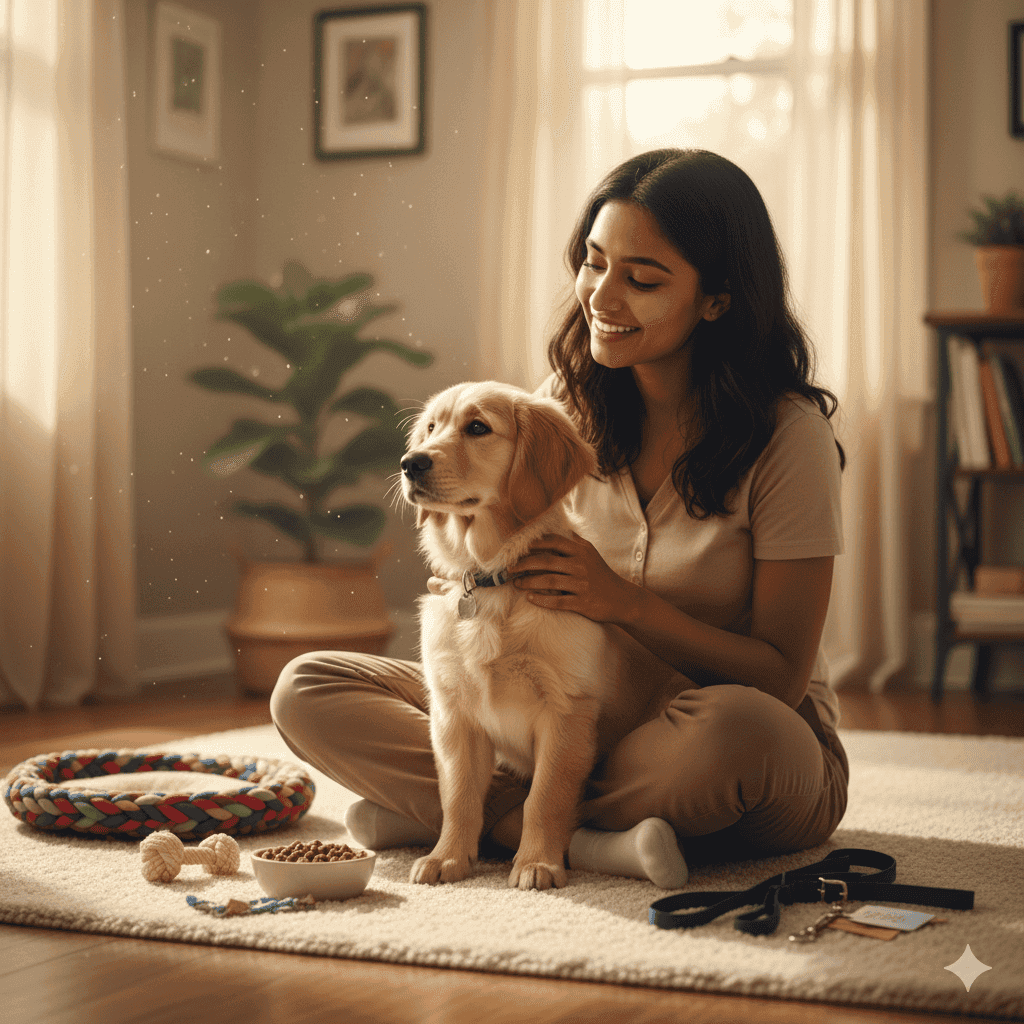
Table of Contents
- Consider Home and Lifestyle
- Pick the Right Dog Breed
- Set Up Your Home for a Puppy
- Gather Essential Supplies
- Safety Gear
- Plan Training and Care Routine
- Exercise and Social Time
- Find a Vet and Health Plan
- Use an AI Assistant for Pet Management
- First-Time Dog Owner Checklist: Finding What Works for You
- Frequently Asked Questions
First-Time Dog Owner Checklist
Are you ready to welcome a furry friend into your life? Being a first-time dog owner is exciting, but it also comes with new responsibilities.
Before you bring your pup home, it's essential to have a first-time dog owner checklist that covers all the basics. This ensures you're fully prepared to meet your dog's needs from the start.
With the right preparation, you'll be ready to give your dog a loving and safe home. There are many more tips and insights to explore, ensuring that both you and your new companion start this journey confidently.
Having a new dog or puppy at home can be overwhelming at times, and there is a lot to remember each day.
A personal virtual assistant, like O from Ohai.ai, can keep track of your to-do list, send gentle reminders about taking your pup outside for a potty break, and even add supplies to your grocery list.
With a digital assistant at your fingertips, you’ll have more time for what truly matters—getting to know your dog and building a lasting bond.
Consider Home and Lifestyle
Before bringing a dog into your life, take a good look at your living situation and daily routine. Your home environment and lifestyle directly impact which type of dog will thrive with you. This assessment helps ensure both you and your future pup will be happy together.
Space and Safety Needs
Different breeds have very different requirements when it comes to space. Large or high-energy dogs need plenty of room to run and play, while smaller, quieter breeds may adapt better to apartment living.
Keep in mind that vocal or “yappy” dogs might not be the best fit for shared walls.
Outdoors, check that your fencing is sturdy; simple or decorative barriers often aren’t enough to prevent digging or climbing escapes. Inside, make sure your dog has a designated spot for eating, sleeping, and relaxing.
Time and Routine Demands
Dogs need structure, and that means your schedule needs to accommodate their needs. Puppies require bathroom breaks every 2–3 hours (a puppy can generally only “hold it” for one hour per month of age), while adult dogs typically need 3–4 walks daily.
Factor in feeding times, play sessions, and training. If you work long hours, consider doggy daycare or hiring a walker.
Morning routines shift dramatically with a dog. You'll need to wake up earlier for that first potty break and breakfast. Evening plans might need adjusting as well, since dogs can't wait indefinitely for dinner. Building these routines early creates stability that helps your dog feel secure.
Pick the Right Dog Breed
Choosing a breed that matches your lifestyle sets the foundation for a successful relationship. Research breeds thoroughly, looking beyond just appearance. Temperament, energy levels, and care requirements vary dramatically between breeds.
Matching Activity Levels
Your fitness level should align with your dog's exercise needs. Couch potatoes won't keep up with a Border Collie, while marathon runners might frustrate a Bulldog or Pug. Be honest about your activity level. A mismatch here leads to behavioral problems and unhappy dogs.
- High-energy breeds like Australian Shepherds need 2+ hours of exercise daily. They excel at dog sports and long hikes.
- Medium-energy dogs like Beagles enjoy daily walks and playtime but don't require constant activity.
- Low-energy breeds like Basset Hounds are content with short walks and lots of nap time. ### Family-Friendly Options Kids in the house? Some breeds naturally excel with children. Golden Retrievers, Labrador Retrievers, and Beagles typically show patience with kids. These breeds tolerate the noise and unpredictability that come with young family members.
Size matters when kids are involved. Very small dogs risk injury from enthusiastic toddlers, while giant breeds might accidentally knock over little ones. Medium-sized, sturdy breeds often work best. Teaching kids proper dog interaction is just as important as choosing the right breed. Set rules about gentle touching, respecting the dog's space, and never disturbing them while eating or sleeping.
Set Up Your Home for a Puppy
Creating a puppy-friendly environment before your new friend arrives prevents accidents and establishes good habits from day one. Think of it like baby-proofing but for a creature with sharper teeth and more jumping ability.
Start with the basics: designate specific areas for sleeping, eating, and playing. Dogs appreciate having their own space, so set up a cozy corner with their bed and toys. Keep food and water bowls in a consistent spot, preferably on a waterproof mat for easy cleanup.
Puppy-proofing and organizing your space is crucial regardless of size. Start by securing cabinets with childproof locks, moving toxic plants out of reach, and creating designated dog zones.
Install baby gates to block off certain areas, especially stairs if your puppy hasn't mastered them yet. Check your fence for gaps if you have a yard. Even small holes can become escape routes for determined pups.
Remove temptations before they become problems. Shoes, remote controls, and phone chargers are puppy magnets. Store them out of reach or behind closed doors. Cover electrical cords with protective tubing or tape them against walls.
Consider your flooring as well. Puppies slip on hardwood and struggle with stairs. Non-slip rugs provide traction and protect your floors during potty training. If you have carpets, invest in a good enzymatic cleaner immediately. Accidents will happen, and proper cleanup prevents repeat offenses in the same spot.
Gather Essential Supplies
Shopping for your new dog can be overwhelming with endless product options. Focus on quality basics first, then add extras as you learn your dog's preferences. A well-stocked home prevents last-minute trips to the store during those critical first days.
Bowls
Food and water bowls should suit your dog's size and eating style. Stainless steel or ceramic bowls work best since they're easy to clean and don't harbor bacteria like plastic can.
Experts recommend slow feeders for dogs who gulp their food too quickly. This prevents bloating and encourages healthy eating habits. When buying bowls, consider adding a lick mat or two to your cart. These help prevent boredom and satisfy dogs with a strong need to lick.
Food
Feeding your new dog properly is one of the most important responsibilities of ownership. Choose a high-quality dog food tailored to your pup’s age, size, and energy level. Puppy formulas are rich in nutrients for growth, while adult and senior diets support long-term health.
Large breeds may need food designed to protect joints, while small breeds benefit from smaller kibble sizes. Always check ingredient labels, avoid fillers when possible, and talk with your veterinarian to select the best option.
Keeping your dog on a consistent feeding schedule also promotes good digestion and overall well-being.
Crate and Bedding
Crate training? Get a crate that'll fit your dog at adult size, using dividers to adjust as they grow. A crate provides a safe space when you can't supervise directly, and it can speed housebreaking significantly.
Bedding choices depend on your dog's sleeping style. Some dogs love plush beds while others prefer firm surfaces. Start with a washable bed that fits your dog and provides ample room for stretching. Add blankets for dogs who like to burrow.
For young pups, it’s typically best to skip adding bedding to their crate, especially if they will be in the crate when you’re not around. Bedding can pose safety hazards, and for teething or bored puppies, the temptation to demolish beds and blankets is too strong to resist.
Grooming Supplies
Even short-haired dogs need regular brushing. The type of brushes and combs you’ll need depends heavily on your dog’s coat type.
Nail clippers, dog shampoo and conditioner, and toothbrush round out your grooming arsenal. Starting these routines early makes them easier as your dog grows.
Collar, Lead, and ID Tags
Collar, leash, and identification tags are non-negotiable from day one. Choose an adjustable collar that fits snugly but allows two fingers underneath. Add ID tags with your contact information immediately, even if you plan to microchip. Select a leash appropriate for your dog’s size and training needs. Don’t forget environmentally friendly poo bags for “deposits” made when going for a walk.
Safety Gear
A few simple safety items can make your home and travel routines much smoother. Baby gates help keep curious dogs out of certain rooms, while child-proof cabinet locks prevent access to cleaning supplies or food that could be harmful.
For car rides, a crash-tested harness or sturdy travel crate protects both your dog and passengers. Outdoors, reflective collars and leashes improve visibility during nighttime walks, reducing the risk of accidents.
Technology can help too—a pet camera lets you monitor behavior when you’re away, and some can even dispense treats. Together, these tools create a safe, secure environment.
Toys
Toys are more than entertainment; they’re essential for your dog’s physical and mental health. Chew toys help reduce boredom and protect your shoes and furniture from destructive habits.
Puzzle toys and treat-dispensing balls keep intelligent breeds engaged, while plush toys can offer comfort to gentle or anxious dogs. Rope toys are great for interactive play like tug-of-war, which also strengthens your bond.
For heavy chewers, invest in extra-durable options made of rubber or nylon to prevent choking hazards. Rotating toys every week helps maintain your dog’s interest and encourages a healthy mix of activity and relaxation.
Plan Training and Care Routine
Consistency in training and daily care creates a well-adjusted, happy dog. Starting these routines immediately establishes you as the leader and helps your dog understand expectations. Remember that dogs learn through repetition and positive experiences.
Potty and Obedience Basics
Potty training requires patience and a consistent schedule. Take puppies out first thing in the morning, after meals, after naps, after playtime, and before bed. Adult dogs need fewer breaks but still require regular opportunities.
Choose a specific potty spot in your yard or on walks. Dogs prefer routine and will learn faster with a designated area.
Watch for sniffing, circling, or whining as signs they need to go out. When accidents happen inside (and they will), clean thoroughly without scolding. Punishment creates fear, not understanding.
Instead, interrupt them if you catch them in the act and immediately take them outside. Praise enthusiastically when they go in the right spot.
Basic obedience starts with name recognition, "sit," "stay," "come," and “leave it.” Keep training sessions short, around 5–10 minutes for puppies. Use high-value treats and lots of praise. Practice commands throughout the day in different locations. This generalization helps dogs understand that commands apply everywhere, not just in the living room.
Exercise and Social Time
Physical activity needs vary by age, breed, and health. Puppies need short, frequent play sessions rather than long walks. Their growing bones can't handle excessive exercise. Adult dogs benefit from structured walks plus playtime.
Mental stimulation matters too. Puzzle toys, training games, and new experiences tire dogs out just as much as physical exercise does.
Socialization shapes your dog's personality and confidence. Expose puppies to different people, animals, environments, and sounds during their critical socialization period (3–14 weeks).
Dog parks offer great opportunities once your pup is fully vaccinated. Start with off-peak hours when parks are less crowded. Pet-friendly stores are becoming more common and can be a great training tool. Continue socialization throughout their life.
Schedule daily one-on-one bonding time. This might be grooming, training, or simply relaxing together. Dogs are social creatures who need attention beyond just meeting basic needs.
Find a Vet and Health Plan
Establishing veterinary care before you need it prevents scrambling during emergencies. Research local vets, read reviews, and visit clinics before choosing. A good vet becomes your partner in your dog's health journey.
Schedule your first vet visit within 48 hours of bringing your dog home. This initial checkup establishes baseline health records and ensures your new pet is healthy.
Bring any medical records from the shelter or breeder. Discuss vaccination schedules, as puppies need a series of shots while adult dogs might just need boosters.
Preventive care saves money and heartache long-term. There are a variety of flea and tick prevention options, including oral and topical products and collars. Your vet can advise which is best for your dog and climate. Monthly heartworm prevention is essential in most areas.
Dental health matters too. Dental chews and brushing their teeth regularly help reduce plaque between professional cleanings.
Consider pet insurance early. Pre-existing conditions aren't covered, so starting coverage while your dog is young and healthy maximizes benefits.
Research different plans and coverage levels. Some cover routine care while others focus on accidents and illnesses. Factor monthly premiums into your budget alongside food and other regular expenses.
DNA testing reveals breed mix and potential health risks. Knowing your dog's genetic makeup helps predict size, temperament, and health concerns. This information guides preventive care decisions and helps you prepare for breed-specific needs.
Use an AI Assistant for Pet Management
Modern technology makes pet parenting easier than ever. AI assistants help track everything from vet appointments to daily feeding schedules. Ohai's AI assistant, O, understands the chaos of pet ownership and family life, keeping all those moving parts organized in one place.
Managing a pet's schedule alongside work and family commitments gets complicated fast. Digital tools eliminate the mental load of remembering medication times, grooming appointments, and vaccination due dates.
Set up recurring reminders for monthly flea prevention or quarterly vet checkups. You can even coordinate pet care responsibilities among family members, ensuring someone always handles potty breaks, feeding time, the evening walk, and all the other daily dog chores.
O excels at juggling multiple calendars. When your work meeting conflicts with the dog's training class, O alerts you immediately.
Planning a vacation? O can help research pet-friendly hotels or remind you to book boarding well in advance. The assistant even helps create packing lists for your pup's travel needs.
Meal planning extends to your pets, too. Track what food works best, monitor treat intake, and maintain consistent feeding schedules. O can remind you when dog food runs low and help coordinate automatic deliveries. This prevents those last-minute store runs when you realize the food bin is empty.
First-Time Dog Owner Checklist: Finding What Works for You
Starting your journey as a dog owner is less daunting with proper preparation. Your first-time dog owner checklist sets the foundation for years of companionship and joy.
Focus on creating a safe environment, gathering essential supplies, and establishing routines that work for your lifestyle, but remember that every dog is unique.
What works for your friend's Golden Retriever might not suit your Beagle. Stay flexible and adjust your approach as you learn your dog's personality. Building a strong bond takes time, patience, and consistency, but the rewards far outweigh any difficulties.
With this comprehensive first-time dog owner checklist in hand, you're ready to provide the loving, organized home every dog deserves.
Ready to make pet parenting easier? Let Ohai.ai help you manage the beautiful chaos of life with your new best friend. From scheduling vet appointments to coordinating family pet care duties, O makes sure nothing falls through the cracks.
Frequently Asked Questions
What is the 3-3-3 rule for dogs? The 3-3-3 rule is a guideline for adopting a dog, suggesting a three-stage adjustment period: 3 days to decompress, 3 weeks to learn routines, and 3 months to feel secure and at home. This framework helps owners set realistic expectations and support a smooth transition.
What is the 7 7 7 rule for dogs? The 7 7 7 rule, or Rule of Sevens, is a socialization guide for puppies by Dr. Carmen Battaglia. By 7 weeks of age, a puppy should be exposed to 7 different kinds of people, 7 different environments, and 7 different challenges.
What does a first-time dog owner need to know? First-time dog owners should understand that dogs need more than food and exercise—they thrive on routine, training, and socialization. Safety-proofing the home, investing in the right supplies, and setting aside time for bonding are key. Patience and consistency build trust and lifelong companionship.
Where should a new dog sleep first night? For the first night, the puppy should sleep in a kennel or crate placed next to your bed or in another room, to help them adjust and feel secure. A new dog’s first night can be stressful, so choose a safe, quiet spot close to you. Keeping your pup near reduces anxiety, prevents accidents, and fosters trust from the start.