workload analysis

Table of Contents
Workload Analysis Basics and Benefits
Workload analysis is a powerful tool for understanding how tasks, time, and resources are distributed across a team or organization. By breaking down responsibilities and comparing them to available capacity, you can spot bottlenecks, prevent burnout, and improve productivity. This process helps ensure that no one is overwhelmed and no one is underutilized, creating a balanced workflow. Whether you manage a small team or a large operation, workload analysis offers the clarity needed to make smarter decisions and keep projects moving smoothly. With planning support from an AI personal assistant, like O from Ohai.ai, you can streamline tasks and keep yourself moving forward on the right track.
Why Workload Analysis Matters
Understanding workload distribution isn't just about tracking hours or counting tasks; it's about creating a sustainable rhythm for your team or family that promotes both productivity and well-being. When you know exactly what's on everyone's plate, you can make smarter decisions about resource allocation and task assignments. Regular assessment helps you spot potential problems before they become major issues.
In today's busy world, families juggle work commitments, school schedules, and household responsibilities. Without proper workload analysis, it's easy for tasks to pile up or fall through the cracks. That's why many parents are turning to digital planning tools to identify bottlenecks and make daily life more manageable.
Impact on Team Productivity
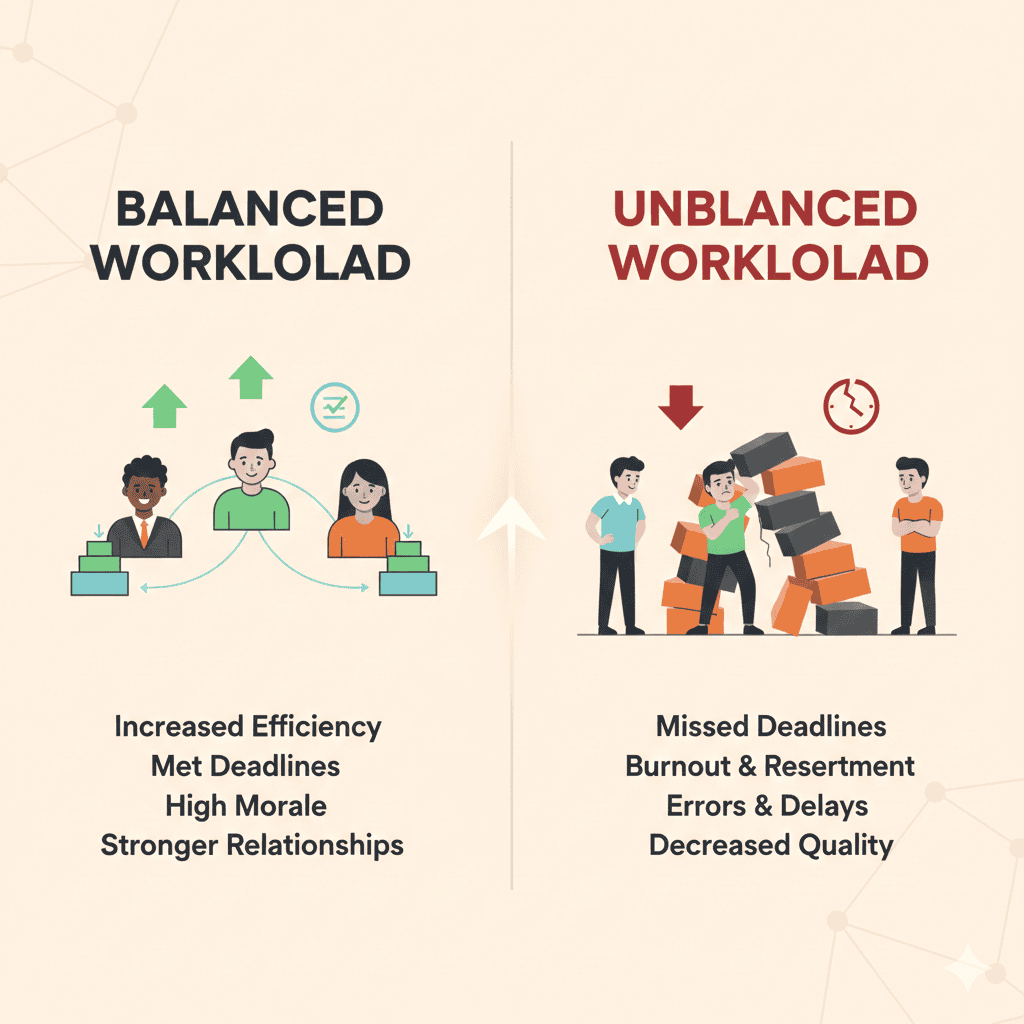 When workload is distributed evenly, teams work more efficiently, and deadlines are met without last-minute scrambles. Unbalanced workloads create a domino effect of problems, where some members feel overwhelmed while others are underutilized, leading to resentment and decreased morale.
The ripple effects of balanced workloads extend beyond immediate task completion. When people feel their contributions are recognized and their capacity respected, they are more engaged and motivated. This boost in morale translates directly into better performance and stronger relationships.
Prevent Burnout
Burnout often sneaks up on you, leaving you exhausted and unable to remember why you started a project. Regular workload analysis acts as an early warning system, flagging when someone is taking on too much before they hit their breaking point. Signs of approaching burnout include missed deadlines, increased errors, and declining enthusiasm.
Prevention beats cure every time. Setting realistic expectations and boundaries based on actual capacity data helps maintain sustainable productivity levels. It's about working smarter and ensuring everyone has the resources they need to succeed without sacrificing their health or happiness.
Key Steps To Perform Workload Analysis
A thorough analysis helps you move beyond guesswork to create a data-driven picture of responsibility distribution. By following a structured approach, you can ensure resources are used effectively and no one is left struggling.
Identify Tasks and Estimate Time
- Start by compiling a comprehensive list of all tasks, including "invisible work" like quick check-ins or administrative updates.
- Once listed, estimate the time each one requires using historical data.
- Accuracy matters; underestimating leads to rushed work, while overestimating causes unnecessary delays.
Assess Capacity and Balance Load
- Compare task demands to the available working hours of each team member.
- This assessment must be realistic, subtracting time for meetings, breaks, and personal commitments to determine true capacity.
- Look for red flags where assigned tasks exceed available time.
- Redistribute tasks to align workloads more evenly based on skill sets and preferences.
Monitor and Adjust Tasks
- Workload analysis works best as an ongoing process.
- Set up regular check-ins to review task progress and monitor real-time updates to spot potential bottlenecks early.
- If someone falls behind, consider redistributing tasks or adjusting deadlines.
Tools for Workload Analysis
The right tools transform analysis from a tedious chore into an enlightening exercise. The key is finding a system you will use consistently, whether it is a simple spreadsheet or a sophisticated productivity platform.
Manual Tracking Methods
- Sometimes simple is best, such as using a notebook or whiteboard to track tasks.
- Time logs can reveal where hours actually go, helping you identify if a "quick" task is actually eating up significant time.
- Visual methods like kanban boards or color-coding help you spot imbalances quickly.
AI Digital Assistant Support
- Using AI at work revolutionizes analysis by automating data collection and providing intelligent insights.
- Digital helpers, like O from Ohai.ai, track patterns in your schedule to identify conflicts before they happen.
- These assistants can learn your preferences and proactively suggest schedule adjustments to prevent problems rather than just solving them after the fact.
- ## How an AI Assistant Streamlines Planning
AI transforms personal planning from reactive firefighting to proactive optimization. Instead of constantly adjusting schedules when conflicts arise, AI assistants anticipate needs and suggest solutions before problems occur.
The real power lies in pattern recognition. AI analyzes your historical data to understand rhythms and preferences.
It knows you're most productive in the morning, that soccer practice always runs late on Wednesdays, and that grocery shopping takes longer during weekend rushes. This intelligence informs smarter scheduling suggestions that work with your life, not against it.
Time management becomes less about rigid adherence to schedules and more about flexible optimization.
AI assistants, like O from Ohai.ai, adapt to changing circumstances, automatically adjusting plans when meetings run over or appointments get cancelled. This dynamic approach keeps you on track without the stress of constant manual updates.
Automated Schedule Creation
Gone are the days of manually inputting every appointment and deadline. Modern AI assistants scan emails, texts, and shared calendars to automatically populate your schedule. They catch details you might miss and prevent the embarrassment of forgotten commitments.
Intelligent scheduling goes beyond simple calendar entries. AI considers travel time between appointments, adds buffer periods for tasks that typically run long, and blocks out focused work time based on your productivity patterns.
Customization options ensure automated schedules match your preferences. Set rules for meeting spacing, define core work hours, or establish family time that can't be interrupted. The AI works within these parameters to create schedules that support both productivity and well-being. This personalized approach means the system gets smarter and more helpful the longer you use it.
Real-Time Task Updates
Static schedules rarely survive contact with reality. Meetings run over, projects experience hiccups, and urgent tasks pop up without warning. Real-time updates keep everyone informed and aligned despite constant changes.
AI assistants monitor multiple data sources to provide instant updates. They might see that one team member is out on sick leave and delegate missed tasks to someone else, or they might notice a meeting was rescheduled and automatically adjust dependent tasks.
This proactive communication prevents the cascade of problems that often follow unexpected changes.
Collaboration features ensure the whole team or family stays synchronized. When one person's schedule changes, affected parties receive immediate notifications with suggested adjustments.
This transparency reduces confusion and prevents the frustration of conflicting information. Everyone works from the same updated playbook, making coordination smoother and more efficient.
Best Practices for Lasting Results
Successful analysis requires building sustainable practices where consistency beats perfection Regular reviews ensure your analysis remains effective as priorities shift.
Involve Your Team in Decisions
- Feedback from everyone affected by changes dramatically improves success rates.
- Create time for open discussion about workload challenges
- Transparency helps everyone understand the bigger picture and see that the process is designed to help the entire group
Review Analysis at Set Intervals
- Schedule regular workload reviews just like any other important appointment.
- Each review should examine both quantitative data, like task completion rates, and qualitative feedback on reported stress levels
- Use these insights to refine your approach and redistribute tasks that consistently cause bottlenecks
Boost Productivity With Workload Analysis
Workload analysis transforms overwhelming task lists into manageable action plans. By identifying opportunities for improvement, you create sustainable systems that support both productivity and well-being.
Take the first step today by listing your current tasks and estimating how long they really take. O from Ohai.ai can help you automate and optimize this process with smart scheduling and seamless calendar integration. Try it today for free and spend less time planning and more time enjoying what matters most.
Frequently Asked Questions
What is a workload analysis? Workload analysis is the process of evaluating tasks, responsibilities, and time requirements to determine how work is distributed across individuals or teams.
How to perform a workload analysis? To perform one, list all tasks, estimate their time requirements, and assess the capacity of each team member. Reassign tasks as needed to maintain balance and prevent burnout.
What is the workload analysis process? The process involves identifying tasks, estimating demands, assessing capacity, and redistributing work. Ongoing monitoring ensures workloads remain manageable.
What is the concept of workload analysis? The concept focuses on understanding and optimizing how work is assigned and completed.